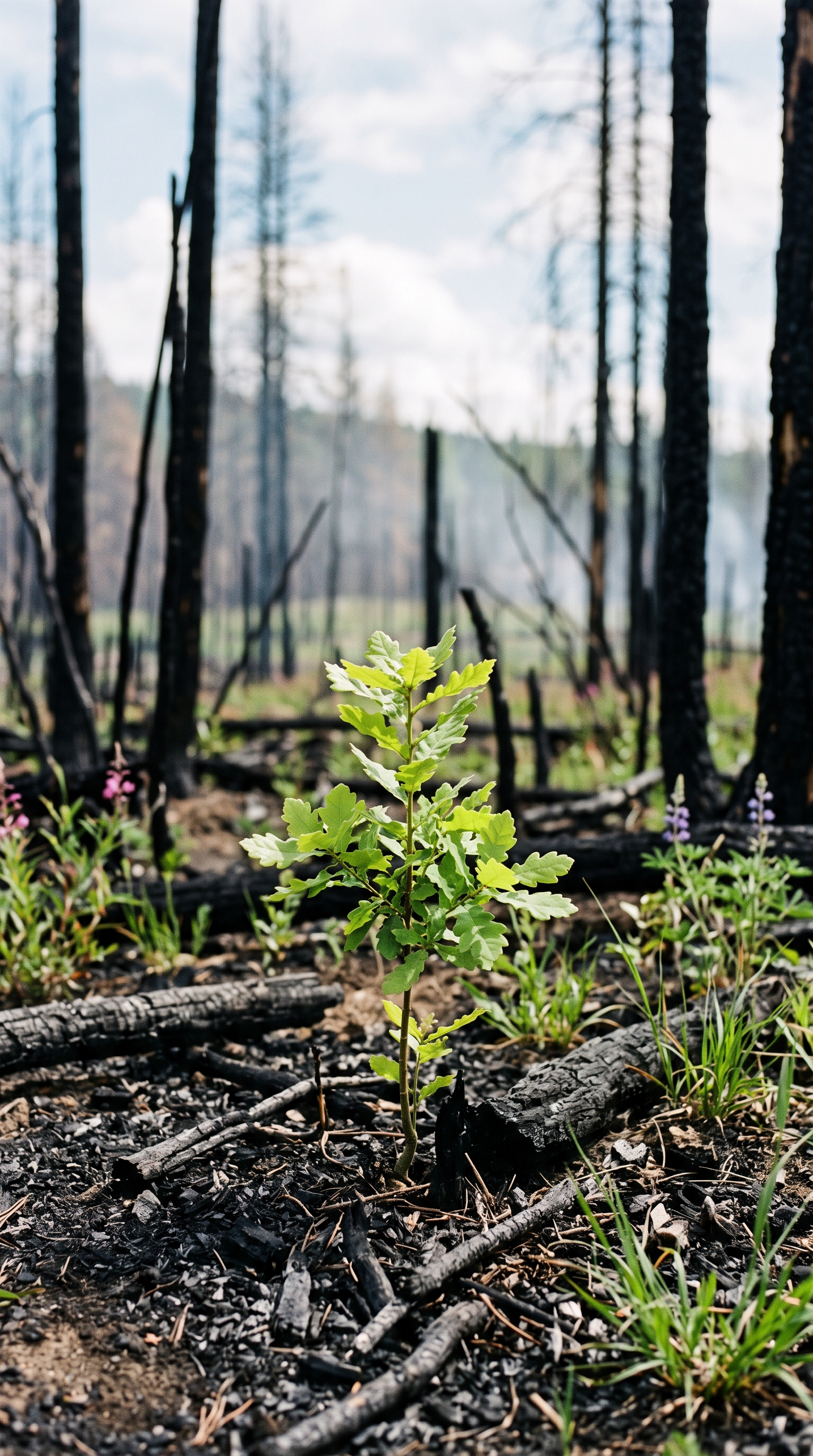
A young oak sapling growing after a fire

Trauma isn’t always caused by a single sudden event. Very often, the deepest wounds are relational and stem from experiences that accumulated over time in relationships where you should have felt safe and seen. When your trust is repeatedly broken, you feel chronically unsafe or those close to you are frequently physically or emotionally absent, your mind and body adapt to try to protect you. This may leave you feeling on edge and hypervigilant, or shut down and disconnected from your feelings - or both at different times. Particular events which are in some way linked to the original traumatic events may trigger intense physical and emotional reactions in you, and it may not always be obvious what that connection is. It may be hard to feel at home in your body, trust others or avoid adult relationships patterns that echo dynamics from the past.

I specialize in working with adult survivors of childhood abuse and emotional neglect. Trauma therapy is collaborative and works at your pace, paying close attention to what feels tolerable. We may explore your trauma responses: how to notice them when they show up in your body and how they may have protected you in the past. When it feels safe for you, therapy can provide a space to work with unresolved feelings and memories, softening old survival patterns so that the past can feel like the past.

If you are considering trauma therapy in Richmond or Chiswick, you are welcome to contact me to discuss your needs.

FAQs

What are trauma and relational trauma?

The concept of psychological trauma originated as a medical metaphor comparing invisible injury to the mind to physical wounds to the body. While this comparison helpfully draws attention to the emotional and psychological impact of certain events, it also has distinct limitations. In physical medicine, trauma typically results from a visible, acute event such as a car accident, a physical assault, or a natural disaster. Because early psychiatric definitions borrowed heavily from this framework, trauma is still widely misunderstood as something caused only by sudden, catastrophic shocks.

Modern psychology has defined trauma less in terms of the types of event which tend to cause it, and more in terms of what happens in the nervous system in response. When we encounter danger, our bodies naturally mobilise through active survival responses like fight or flight. These are healthy, adaptive ways of coping. Psychological trauma occurs when these natural defences are overwhelmed or thwarted, and we cannot process and integrate the experiences which caused them, producing long-term physiological and psychological disruption. While this can lead to post-traumatic stress disorder (PTSD), responses to trauma vary between individuals and often do not sit neatly in a diagnostic box.

Given the importance of relationships in our lives, it is not surprising that adverse relational experiences can feel accutely dangerous and impact us as significantly as physical threats. While big events, such as verbal or physical attacks and significant betrayals of trust, can be deeply traumatic, so can repeated subtle misattunements. These include reaching out for connection and being ignored, or needing space and not getting it. These experiences can accumulate and overwhelm our ability to process them, resulting in relational trauma.

We are particularly vulnerable to relational trauma in childhood, when fighting or fleeing is either impossible or too dangerous given our dependence on others. When children do not receive what they need emotionally and physically from the adults they depend on, or find their actions frightening, they adapt in ways that are often helpful in that situation, but may have substantial drawbacks later on in life. This may manifest in particular relational patterns or becoming stuck in a trauma response. For example, anger can sometimes be a suppressed fight response emerging from earlier relational trauma, whereas emotional numbness and disconnection can be an enduring freeze response.

What is the difference between PTSD, Complex PTSD and relational trauma?

Both post-traumatic stress disorder (PTSD) and Complex PTSD refer to diagnoses based on experiences that people may have as a result of trauma. Someone who has PTSD may experience intrusive memories, either awake or in dreams, which feel as though a traumatic event is happening in the present moment. These memories may be fragmented, with only particular aspects of the experience being replayed. They may find things that remind them of an event distressing and actively avoid reminders of what happened. Those with PTSD may spend a lot of time feeling in danger and on high alert. It is worth noting that these experiences naturally occur immediately after a traumatic event and often resolve after a short time, so they are only considered PTSD after they persist for several weeks.

Those with Complex PTSD (or CPTSD) have the experiences associated with PTSD alongside issues with emotions, relationships and their sense of themselves. They may struggle to calm down after feeling upset or feel emotionally numb. Complex PTSD is also defined by having low self-worth and difficulty relating to others. These experiences are thought to be the result of repeated relational trauma: the nervous system's response to events which were overwhelming, inescapable and happened in the context of a relationship with another person.

Many people experience some or all of these issues with emotions, relationships and sense of self without having PTSD symptoms. For this reason, they would not receive a diagnosis of Complex PTSD. This does not mean that the experience did not cause relational trauma. Relational trauma has a wide range of long-term effects, not limited to those defined as Complex PTSD. A diagnosis simply describes a cluster of symptoms for medical classification; it does not measure the depth of someone’s emotional pain or their need for support. In therapy, the focus is not on whether you fit a specific label, but on understanding how your past relational experiences continue to affect your emotional well-being and relationships today.

Take the next step

To arrange an initial consultation, please get in touch.

christina@tyvenic.comContact page

If you are currently in crisis or unable to keep yourself safe, please reach out for immediate help. You can call the Samaritans on 116 123, call NHS 111 or text SHOUT to 85258 which are all available 24/7.